Dental Emergency
Call Now

(New Patient Exam and X-rays & cleaning)
(Alternative offer for new patients)
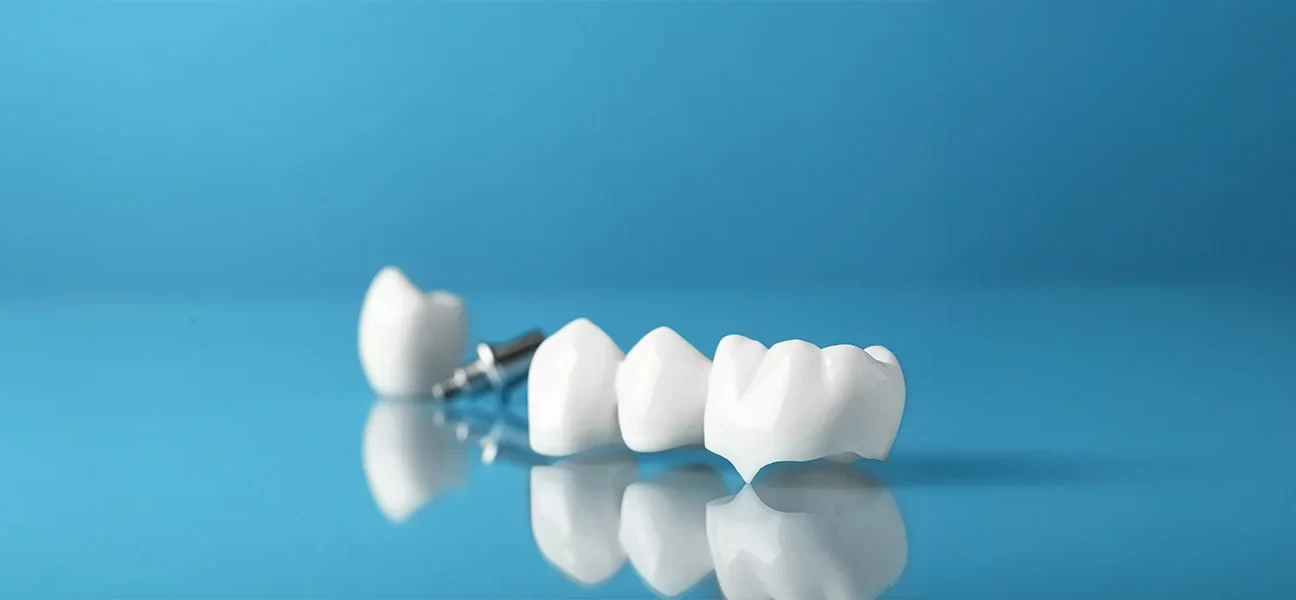
Dental fillings are meant to restore teeth affected by decay. They rebuild damaged areas and allow normal chewing function to resume. However, fillings are not always a permanent solution. Over time, a tooth that once required a small restoration may weaken further. This often leads patients to ask, When Should a Filling Be Replaced With a Crown?
Recognizing the differences between a filling and a crown can help maintain tooth stability and chewing efficiency over time.
Fillings are effective for repairing minor to moderate decay. They replace the portion of enamel removed during cavity treatment and seal the area from further bacterial entry. Modern composite materials bond securely to tooth structure and provide reliable function for many years.
Because fillings reinforce only a portion of the tooth, the surrounding enamel may remain vulnerable to biting forces. Large restorations, in particular, may leave thinner walls of enamel exposed to stress.
Temperature changes can also cause subtle expansion and contraction, potentially creating microscopic gaps between the filling and tooth surface. Over time, this may increase the likelihood of recurrent decay.
A filling may need replacement with a crown when specific structural changes develop. These may include:
If substantial enamel has been lost, replacing the existing restoration alone may not provide sufficient reinforcement. In these cases, full coverage may offer more reliable protection.
Unlike a filling, a crown helps cover the whole visible portion of the tooth. This design distributes chewing pressure more evenly across the surface. By fully covering the weakened tooth, a crown helps lower the risk of additional fractures.
Teeth with extensive restorations often experience concentrated stress along unsupported enamel edges. If these areas crack, more complex treatment may be required. Many patients explore dental crowns in Calgary, AB, when a previously restored tooth no longer has enough remaining enamel for reliable support.
Teeth that undergo root canal treatment often benefit from full-coverage restoration. During the procedure, infected pulp tissue is removed, which can reduce internal moisture content over time.
Although the infection is resolved, the outer enamel may become more susceptible to fracture. A simple filling may seal the access opening, but comprehensive coverage frequently provides greater structural stability.
When a filling occupies more than half of the biting surface, long-term durability may be reduced. Large restorations may flex under pressure, which can increase the chance of cracking.
If a filling begins to leak, separate from the tooth, or show signs of breakdown, replacing it with another filling may not address the underlying weakness. In these situations, placing a crown can offer more comprehensive reinforcement.
Structural integrity is not the only factor. Teeth with multiple large fillings may appear uneven or discoloured. A crown can improve appearance while strengthening the remaining enamel.
Patients who usually clench or grind their teeth may also benefit from additional coverage. Repetitive bite pressure places strain on filled teeth, particularly when enamel thickness has already been reduced.
Determining whether a filling should be replaced with a crown requires a detailed clinical assessment. Dentists evaluate enamel thickness, crack patterns, and bite alignment. Digital imaging may identify decay beneath existing restorations.
Patients searching for a dentist near me often do so after noticing sensitivity or visible wear around an older filling. Early assessment allows concerns to be addressed before more significant damage develops.
At Meadows View Dental, evaluations are performed with careful attention to structural preservation and long-term stability. Dr. Arathi Bimagani brings more than 20 years of clinical experience to her work in restorative dentistry. A graduate of the University of Alberta and an active member of the esteemed Alberta Dental Association and Canadian Dental Association, she prioritizes continuing education and preventive care. Her approach emphasizes thoughtful diagnosis and reinforcement strategies tailored to each patient’s functional needs.
Crowns are designed to provide durable coverage when properly maintained. While no restoration lasts indefinitely, full-coverage restorations generally offer greater resistance to fracture compared to large fillings placed on compromised enamel.
Consistent oral hygiene, regular dental examinations, and management of grinding habits all influence longevity. Reinforcing weakened enamel at the appropriate time often supports more predictable chewing function.
Timely treatment can help preserve remaining tooth structure and reduce future complications. Monitoring existing restorations during routine visits allows subtle changes to be identified early.
If a weakened tooth fractures significantly, treatment options may become more limited. Addressing enamel loss at an early stage helps maintain chewing stability and lowers the likelihood of significant cracking.
At Meadows View Dental, preserving natural tooth structure remains a priority. If the existing restoration remains intact and adequate enamel is present, additional coverage may not be indicated.
However, when remaining tooth support is compromised, a crown may provide appropriate reinforcement. Treatment recommendations are guided by careful examination rather than routine replacement.
So, When Should a Filling Be Replaced With a Crown? The decision depends on the amount of remaining enamel, the size of the existing restoration, and signs of cracking or recurrent decay.
Full-coverage restorations are often recommended when structural integrity has been significantly reduced. A thorough professional assessment ensures that the most appropriate restorative option is selected to maintain long-term function.